Bee Flying on the Flower: A Versatile Embroidery Design for Spring Branding
First Impressions: Playful Yet Polished for Small Business Use
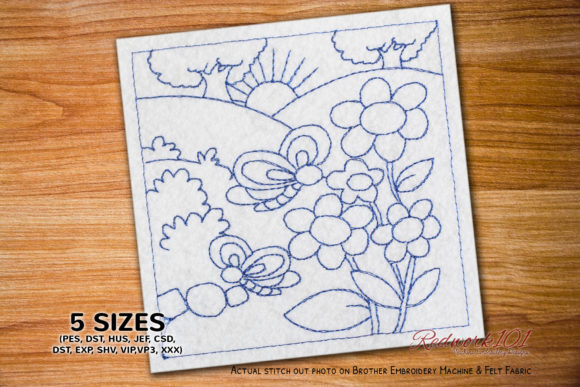
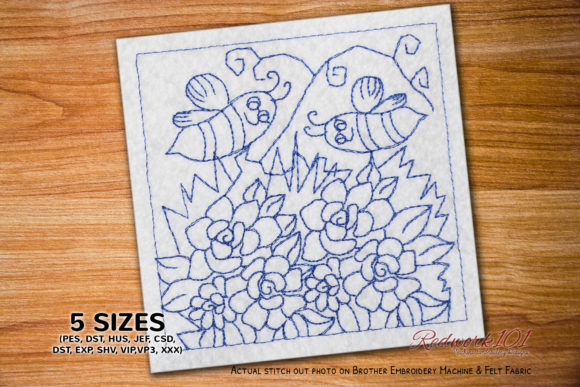
As an embroidery designer evaluating Bee Flying on the Flower, the first thing that stands out is its cheerful, approachable aesthetic. The title and description suggest a design that's ideal for spring and summer branding—perfect for small businesses looking to convey warmth, creativity, and a touch of nature. The mention of “cutesy bees” and “attractive flowers” hints at a whimsical yet cohesive visual style that can work well for boutique merch, café aprons, or handmade product labels.
While the design leans more playful than formal, it maintains a level of polish that makes it suitable for professional use. It reads as handmade without feeling unrefined—important for small businesses wanting to project quality and attention to detail without appearing overly casual.
Real Business Use: From Branded Patches to Merchandise Accents
When considering how Bee Flying on the Flower performs in real-world applications, it holds up well across a variety of commercial embroidery scenarios. Here’s how it can be utilized effectively:
- Embroidered patches – The floral motif and bee imagery lend themselves well to sew-on or iron-on patches for bags, jackets, or uniforms.
- Chest logo accents – A smaller version of this machine embroidery design could serve as a subtle branding touch on staff uniforms or tote bags.
- Cap embroidery – Depending on the size and complexity, it could work as a side or back cap accent for boutique staff or event merch.
- Apron design – Florists, bakers, and café owners might use it to add a personal, seasonal flair to workwear.
- Tote bag branding – The design’s visual balance makes it a strong candidate for tote bag embroidery, especially for spring-themed promotions or local markets.
For Etsy sellers and craft businesses, this design can enhance the handmade presentation of a product while reinforcing brand identity. It’s also a solid option for printable mockups used to showcase embroidered merchandise to clients or customers.
Where to Use It Carefully: Fabric, Size, and Detail Considerations
Like any digital embroidery file, Bee Flying on the Flower needs to be tested in various conditions before full production. Here are some potential pitfalls to watch for:
- Small patch sizes – If the design includes intricate outlines or floral details, they may get lost when scaled down for tiny patches or sleeve accents.
- Curved surfaces – Cap fronts and rounded tote handles can distort the shape of the embroidery if the hoop size or stitch density isn’t adjusted properly.
- Textured or dark fabrics – The design may lose contrast on heavy canvas or black uniforms unless thread colors are carefully chosen.
- High stitch density – If the floral elements are tightly stitched, the design may pucker on lighter fabrics or become stiff after washing.
It’s also important to test the optional box stitch mentioned in the product description. While it can frame the design neatly, the outer box color being different from the main embroidery may complicate thread changes or color matching.
Brand Impact: Strengthening Identity and Customer Connection
Used thoughtfully, Bee Flying on the Flower can be more than just a decorative element—it can support a cohesive brand identity. For seasonal businesses like florists, bakeries, or pet brands, this design reinforces a theme of nature, care, and craftsmanship.
When embroidered on staff uniforms or tote bags, it adds a professional finish that builds customer trust. Its consistent use across merchandise—such as packaging accents, embroidered patches, and event merch—creates visual continuity that enhances brand recognition.
For Etsy sellers and handmade brands, this type of design can elevate the perceived value of a product. When paired with quality stitching and thoughtful placement, it communicates that the item was made with care—something buyers are increasingly drawn to.
Practical Notes for Embroidery Designers and Merch Creators
Before finalizing Bee Flying on the Flower for commercial use, here are several practical steps to ensure it performs well:
- Test in black and white first – This helps identify any contrast or detail issues before committing to color threads.
- Check small patch compatibility – Resize the embroidery file to see how it holds up at 2–3 inches, especially for cap or sleeve applications.
- Review thread color contrast – Ensure the outer box (if used) doesn’t clash with the main design or fabric background.
- Inspect spacing and density – Avoid puckering or stiffness by checking stitch spacing, especially in floral areas.
- Confirm hoop size – Make sure the design fits within your machine’s hoop dimensions for the intended item (e.g., cap, tote, or apron).
- Test on real fabric – Always run a sample on the actual material to evaluate texture interaction and wash durability.
- Use proper stabilizer – For soft or stretchy fabrics, a medium-weight tear-away or cut-away stabilizer is recommended.
- Create a mockup for client approval – Use the design in a printable mockup to show placement and scale before production.
- Compare with other design assets – Ensure this embroidery file complements your existing logo suite or seasonal designs.
- Confirm commercial licensing – Always verify that the design is licensed for resale or commercial embroidery use before applying it to products for sale.
Final Thoughts: A Seasonal Staple for Creative Brands
Overall, Bee Flying on the Flower is a versatile and visually engaging embroidery file that offers small businesses and embroidery shops a fresh option for seasonal branding. Whether used as a chest logo, embroidered patch, or tote bag accent, it brings a sense of warmth and creativity that aligns well with spring and summer themes.
With careful testing and thoughtful application, this design can become a go-to for boutique merchandise, uniform accents, and custom apparel. It’s a smart addition to any small business’s embroidery toolkit—especially for those looking to connect with customers through nature-inspired, handmade branding.