Flowers in a Box: A Designer’s Honest Review for Real Embroidery Use
First Impressions: Soft, Versatile, and Ready for Custom Work
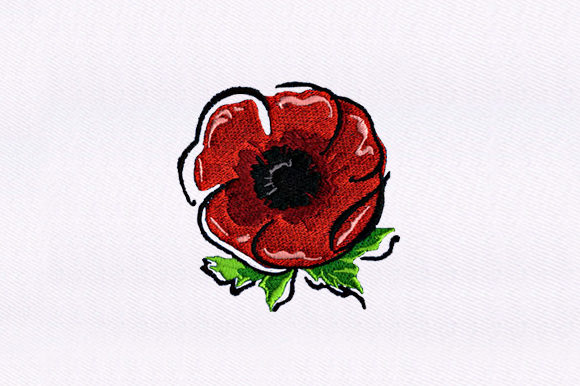
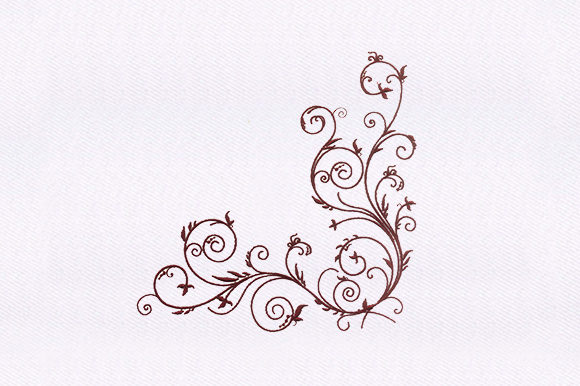
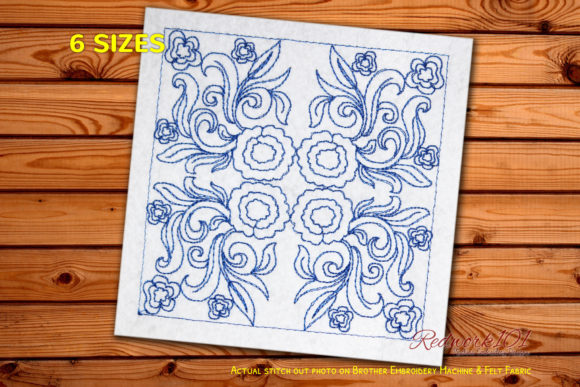
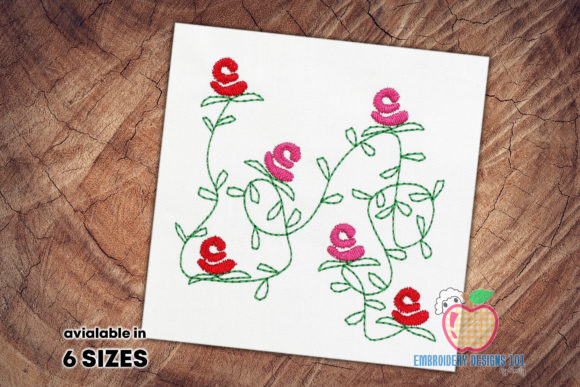
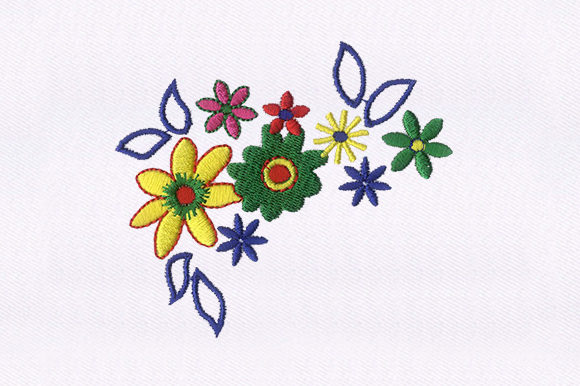
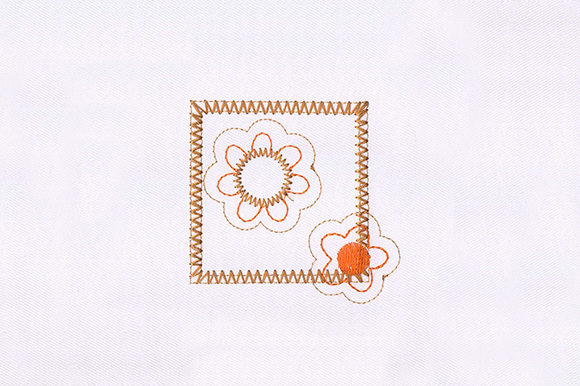
When I first opened the Flowers in a Box embroidery file, I was struck by how balanced and elegant the design felt. It's a simple yet refined floral motif—no over-the-top details, no unnecessary elements. The layout is compact, making it ideal for a variety of projects without feeling cramped. It gives off a soft, spring-like vibe that’s perfect for both personal and small business embroidery work.
As a designer, I immediately thought of tote bags, baby onesies, and embroidered patches. There's something about this design that says “handmade with care,” which is exactly what Etsy sellers and boutique crafters want to convey.
Real-World Use: From Sweatshirts to Holiday Gifts
I tested Flowers in a Box on a few different materials—medium-weight cotton for tote bags, sweatshirt fleece, and a lightweight baby onesie fabric. The design stitched cleanly across all of them, with minimal thread breaks and no distortion in the satin or fill stitches. On the sweatshirt, it looked cozy and elevated the basic garment into something boutique-worthy.
For baby items, the softness of the design really shines. It’s not too bold, so it works for both boys and girls. I tried it in a muted sage thread on a cream onesie and it looked incredibly sweet—like something you’d see in a curated nursery collection.
When I embroidered it onto a patch backing for a custom cap, the design held up well around the curved edge. It didn’t pucker or distort, which is a win when working with smaller hoop sizes or curved surfaces.
Design Performance: Clarity, Detail, and Practicality
One of the first things I checked was stitch density. Too dense and it might pucker on stretchy fabrics; too light and it could look unfinished. Flowers in a Box struck a good middle ground—clean satin outlines and soft fill stitches that don’t overpower the fabric.
The detail level is just right: enough to feel intentional, but not so intricate that it becomes a pain to stitch out. It’s a great option for crafters who want to offer embroidered items without spending hours troubleshooting a complex design. That’s a big plus for small shop owners who need to maintain production speed.
Where to Use It Carefully
While the design performs well in most situations, there are a few things to keep in mind:
- Dark fabrics: Some of the lighter inner details might get lost. Consider using contrasting thread or adjusting colors before stitching.
- Stretchy or thin materials: Always use a quality stabilizer to prevent distortion or skipped stitches.
- Small hoop sizes: If you’re working with a limited hoop, make sure the full design fits comfortably without crowding.
- Curved surfaces: Great for caps and sleeves, but double-check tension and alignment to avoid distortion.
Also, if you're planning to use it on items that will be washed frequently—like kitchen towels or baby clothes—test the design on a scrap swatch first to ensure thread and stitch integrity hold up over time.
Visual Impact: Elevating Your Finished Products
Flowers in a Box adds a subtle touch of elegance without being too flashy. That’s a big deal when you're trying to build a cohesive brand look for your handmade products. Whether you're making personalized gifts or custom apparel, this design helps elevate the perceived value of the item.
For Etsy sellers and digital product creators, this kind of embroidery design is gold. It works well in product photos and printable mockups, helping buyers visualize how it would look on their own creations. The design is versatile enough to appeal to a wide audience—from moms looking for baby gifts to crafters wanting to add a floral accent to their tote bags or pillow covers.
Practical Notes for Embroidery Designers
Here are a few things I always double-check before using any machine embroidery design in a real project:
- Test on scrap fabric: Especially important if you're using a new thread or fabric combo.
- Review thread color contrast: Make sure details don’t disappear on dark or patterned materials.
- Check stitch density: Too tight can cause puckering; too loose can compromise durability.
- Confirm hoop size compatibility: Don’t assume it fits your machine—verify before stitching.
- Inspect small details: Are the outlines crisp? Do the fill areas look even?
- Test in black and white mockups: Helps identify clarity and contrast issues.
- Compare on light and dark backgrounds: Some designs don’t translate well across fabric tones.
- Use proper stabilizer: Especially important for stretchy or delicate fabrics.
- Check licensing: Always confirm whether the design can be used for commercial sale of finished items or digital product bundles.
Who Should Use Flowers in a Box?
This design is ideal for:
- Crafters making personalized gifts
- Etsy sellers looking to expand their embroidered product line
- Small shop owners creating boutique-style apparel or home goods
- Digital product creators building embroidery bundles or printable mockups
- Apparel decorators adding a floral accent to sweatshirts, tote bags, or baby clothes
If you're in the business of creating handmade or personalized items, Flowers in a Box is a solid, flexible choice that can be used across seasons and product types. It’s not just a pretty design—it’s a functional, stitch-ready asset that supports both creativity and efficiency.
Final Thoughts: A Thoughtful Addition to Any Embroidery File Collection
Flowers in a Box isn’t a flashy or overly complex embroidery file, and that’s exactly why it works so well. It’s clean, versatile, and easy to use—three qualities that are hard to find in one design. Whether you're embroidering it onto a custom sweatshirt or using it in a digital embroidery bundle, it holds up beautifully and adds a touch of handmade charm that customers appreciate.
As a designer, I always look for embroidery files that feel intentional and practical. Flowers in a Box checks both boxes. It’s a quiet standout—just the kind of design that makes your finished product feel special without demanding too much from your machine or your time.