Maroon Stem Vines: A Designer’s Honest Review for Real Embroidery Projects
First Impressions: Elegant, Versatile, and Seasonless
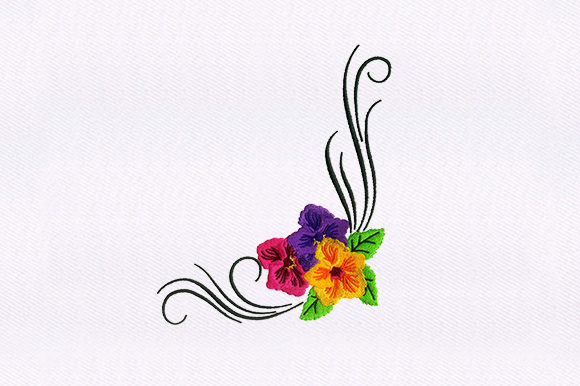
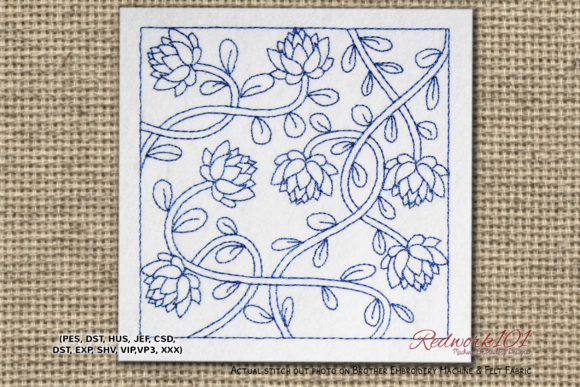
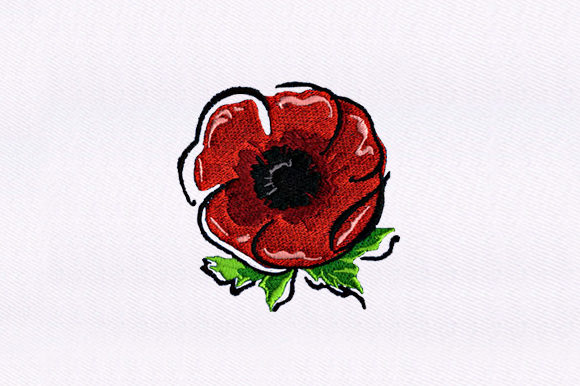
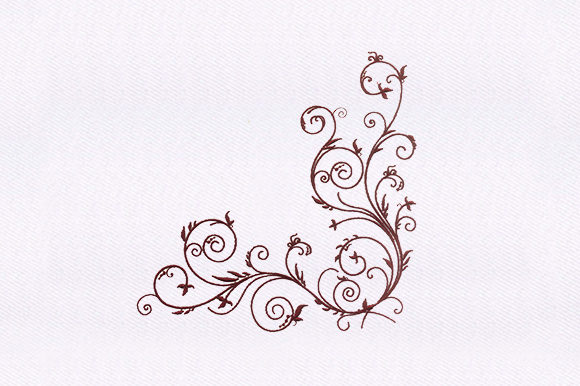
When I first opened the Maroon Stem Vines embroidery file, I was struck by its clean, flowing lines and the way the maroon tones balanced warmth with sophistication. It's a single floral motif that doesn’t scream holiday or trend—it’s timeless. The design has a soft, organic feel with just enough detail to stand out without overwhelming the fabric. It reads as elegant yet approachable, which makes it a strong contender for a wide variety of projects.
From a design standpoint, Maroon Stem Vines sits comfortably in the Single Flowers category but feels like it could be part of a larger botanical series. It’s got enough visual interest to work as a standalone embellishment, and the maroon color palette is rich without being too dark, making it suitable for both light and medium-toned fabrics.
Real-Life Use: From Tote Bags to Sweatshirts
I recently used Maroon Stem Vines on a custom embroidered tote bag for a client who wanted a boutique-style look without looking too “crafty.” The result was exactly what we hoped for—refined, feminine, and versatile. The design scaled beautifully, and the stitch work held up well on the medium-weight cotton canvas. It added just the right amount of visual weight without overpowering the tote’s minimalist shape.
Next, I tested it on a sweatshirt for a personalized gift. The stitch density was consistent, and the satin and fill stitches blended well, even on the thicker knit. There was no puckering, and the stabilizer did its job keeping the texture smooth. The maroon color gave the sweatshirt a subtle luxury feel—perfect for a gift that needed to feel personal but not overly flashy.
Where It Shines: Gift Items, Apparel, and Decor
Maroon Stem Vines is particularly well-suited for:
- Personalized baby items – The gentle curves and soft colors make it ideal for embroidered onesies or burp cloths.
- Holiday and wedding gifts – Whether stitched on a pillow cover or a linen tea towel, it adds a touch of elegance without being too thematic.
- Boutique apparel – It works beautifully on flowy dresses or tailored blouses where a small, tasteful accent is needed.
- Craft business items – Etsy sellers and small shop owners can use it to elevate simple products like pouches or aprons.
From a visual appeal standpoint, the design adds a sense of craftsmanship and attention to detail. It’s not a “look at me” kind of embroidery; it’s more of a “you’ll notice it when you look close” design. That subtlety builds customer trust and makes the finished product feel intentional.
Caution Zones: Fabric and Placement Considerations
While Maroon Stem Vines is flexible, it does require some thoughtful application. For example, on thin or stretchy fabrics, the satin stitches can pull slightly if the stabilizer isn’t applied correctly. I found that using a medium-weight cutaway stabilizer helped maintain the design’s integrity on knits.
On curved surfaces like caps, I recommend using a smaller hoop or adjusting the placement to avoid distortion. The design’s vine-like structure means it can stretch awkwardly if forced into a tight space. Also, on dark fabrics, the maroon thread may not pop as expected unless there’s a contrasting background or accent.
One thing to watch out for is the level of detail in corners or tight curves. If you’re stitching this on a textured fabric like burlap or a loosely woven linen, some of the finer lines might get lost. In those cases, a test run on scrap fabric is essential.
Stitching Clarity and Commercial Use
What stood out most during testing was how well the design maintained stitch clarity across different machines and materials. Whether I was using a basic home embroidery machine or a more advanced commercial setup, the file stitched out cleanly without skipped stitches or thread breaks.
For commercial embroidery projects or digital product sellers, this design has strong resale potential. If you’re creating printable mockups or offering custom embroidery as part of an online product bundle, Maroon Stem Vines is a versatile asset that appeals to a broad audience.
However, always check the licensing terms before selling finished items or digital embroidery files. This is a high-quality design, and many designers include usage rights, but it’s always better to confirm before offering it as part of your product line.
Design Tips from a Practical Standpoint
Here are a few notes I jotted down during my real-world testing:
- Test on scrap fabric first—especially if you're working with a new material or machine.
- Check thread color contrast—the maroon might need a light background to stand out or a darker one for depth.
- Review stitch density—it’s dense enough for durability but not so heavy that it adds stiffness.
- Use proper stabilizer—especially for stretchy or textured fabrics.
- Inspect small details—some of the thinner vine lines may need reinforcement on certain fabrics.
Also, try a black and white mockup to see how the design reads without color. This helps when planning for neutral-toned items or minimalist branding.
Final Thoughts: A Dependable Design for Real Embroidery Work
As a designer who uses embroidery files daily—whether for client work, product mockups, or personal gifts—Maroon Stem Vines earns a solid spot in my go-to collection. It’s not overly trendy, but it’s not generic either. It walks the line between decorative and functional, which is exactly what you want when you’re building a cohesive brand or creating a memorable handmade product.
If you're an Etsy seller, small shop owner, or craft business looking for a floral embroidery that works across seasons and product types, this is a safe and stylish choice. Just remember to test it on your intended fabric and confirm the licensing before selling any finished items.
In short: Maroon Stem Vines is a quiet standout. It does the work without demanding attention, and that’s exactly what good embroidery design should do.