Hibiscus: A Vintage-Inspired Embroidery Design for Craft Fair Appeal
First Impressions: Bold, Elegant, and Timelessly Decorative
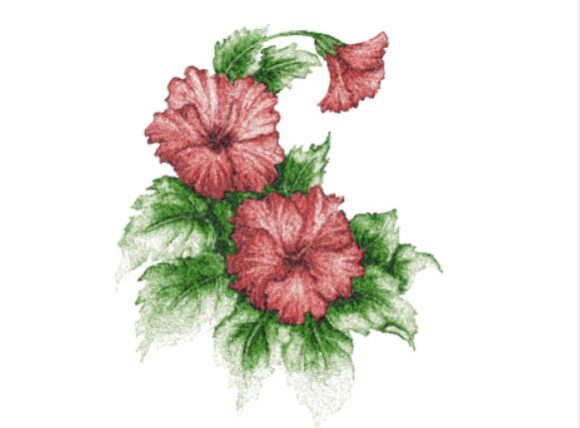
When I first saw the Hibiscus embroidery design, I immediately thought of vintage botanical prints and soft linen tea towels. This is a photo stitch design rooted in classic art, which gives it a decorative and slightly premium feel. It’s not minimalist or modern, but rather elegant and detailed—perfect for craft fair customers who appreciate handmade items with a touch of nostalgia.
At a glance, Hibiscus reads as a larger, more intricate design, which aligns with what I know about photo stitch embroidery. These designs tend to be sizable to maintain clarity, especially when based on detailed imagery. If you're considering this for small items like patches or embroidered caps, keep in mind that shrinking it down could compromise the definition, especially in the more delicate areas of the flower.
How Hibiscus Performs on Craft Fair Products
As a professional embroidery designer preparing for a weekend craft fair booth, I always think about how a design will translate across different products. Here’s how I see Hibiscus working in real-world applications:
- Tote bags: A large, centered Hibiscus on a natural canvas tote would be eye-catching. The vintage look pairs well with earthy tones and soft fabrics, making it a great statement piece for shoppers looking for something handmade and unique.
- Aprons: Centered on a kitchen apron, Hibiscus can serve as a charming focal point. It adds a decorative touch without being overly busy, which is ideal for boutique-style handmade products.
- Tea towels: This is where Hibiscus shines. A vintage floral design on a linen or cotton tea towel feels right at home. It photographs beautifully for Etsy listings and Etsy sellers will find it easy to market as a “vintage-inspired home decor” item.
- Caps: Because Hibiscus is a larger design, scaling it down for a cap might result in lost detail. If you're determined to use it, test a sample first and consider simplifying or adjusting the design for the curved surface.
- Embroidered patches: Again, this is a caution zone. The design’s detail may not hold up well on a small patch unless you’re using it as a limited edition or specialty item where customers can appreciate the intricacy up close.
- Fabric pouches & pillow covers: These are great mid-sized options. A pillow cover with Hibiscus as a central motif adds a decorative, handmade feel to a booth display. Pouches could work if the design is carefully scaled and tested.
Practical Production and Selling Points
One of the most important aspects of any machine embroidery design for craft fair sellers is how well it performs in production and how it sells in person and online.
Hibiscus has strong visual appeal when viewed from a few feet away, which helps in a busy craft fair setting. It’s decorative enough to stand out but not so bold that it turns off more conservative buyers. That makes it a versatile option for a wide range of handmade products.
Photographically, this design holds up well—especially on flat items like tea towels and tote bags. The vintage style translates nicely into printable mockups, which Etsy sellers and digital sellers can use to enhance their online listings without needing a full photo shoot.
For batch production, Hibiscus may require more attention than a simpler design due to its density and detail. Be sure to check stitch density, especially in the flower petals and background shading. If your embroidery machine struggles with dense areas, you may want to adjust the design or choose a lighter fabric.
Where Hibiscus Excels in Your Booth Display
When setting up your craft fair booth, you want a mix of designs that serve different purposes: some for attention-grabbing, some for subtle elegance, and some for repeat buyers.
Hibiscus fits into the elegant, attention-grabbing category. It works well as a sample piece on display—especially if you pair it with a linen tea towel or embroidered pillow. The vintage style adds a touch of sophistication to your booth and can elevate your brand image, especially if your shop leans into farmhouse, rustic, or soft vintage aesthetics.
It’s also a great option for gift items. A small embroidered pouch with Hibiscus stitched on the front makes a lovely handmade gift, especially when paired with a gift tag or packaging that highlights the vintage theme.
Design Considerations and Potential Challenges
Before diving into production, here are some key points to keep in mind when working with the Hibiscus embroidery file:
- Dense stitch areas: Check the flower center and background shading. These may require a stronger stabilizer and slower stitching speed to avoid puckering.
- Tiny details: Some of the finer lines in the petals may not stitch out clearly on textured towels or thick cotton. Always test on the actual fabric you’ll use.
- Dark fabric: If you’re stitching Hibiscus on darker backgrounds, ensure your thread colors contrast well. A light pink or white may get lost on a navy or black fabric.
- Curved surfaces: Avoid using Hibiscus on curved items like caps unless you’ve tested it and are confident in the clarity.
- Small scaling: As mentioned in the product description, photo stitch designs like Hibiscus lose definition when made smaller. Always test before committing to a scaled-down version.
Final Thoughts: A Decorative, Versatile Design for the Right Product
Overall, Hibiscus is a beautiful, decorative embroidery design that brings a vintage flair to your handmade products. It’s best suited for larger, flat items like tote bags, aprons, and tea towels where the detail can shine. It may require more careful production than simpler designs, but the result is a premium, handmade look that appeals to a wide audience.
If you're an Etsy seller, craft fair vendor, or boutique maker looking to elevate your product line with something elegant yet approachable, Hibiscus could be a valuable addition to your collection—just make sure to test, adjust, and photograph it well before listing or displaying it at your booth.